





This letter is intended to facilitate political and civic discussion related to sex trafficking, sexual exploitation, and the abuse of children and vulnerable individuals. These issues intersect directly with public policy, criminal justice, child welfare systems, and governmental accountability, and they are appropriate subjects for community discussion. Discussions like this are especially important when national cases and policy debates bring renewed attention to how these crimes are addressed—or overlooked—by institutions at every level of government.
Child sexual exploitation and trafficking are not problems limited to large cities or distant places. Law enforcement agencies, child advocacy organizations, and victim service providers have consistently documented that these crimes occur in rural and lower-income communities as well. Isolation, economic stress, limited access to services, and reduced visibility can increase vulnerability and make abuse harder to detect and report.
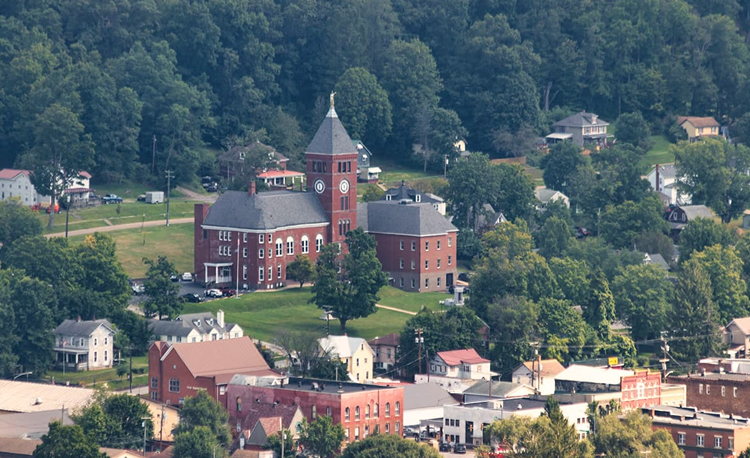
Communities within and surrounding the DuBois area share many of the same risk factors that exist across rural Pennsylvania. Publicly available offender registries confirm that individuals convicted of sexual offenses, including crimes against children, reside throughout Clearfield County and neighboring counties, as they do in communities across the state.
These registries represent only those cases that resulted in arrest and conviction. They do not account for abuse that goes unreported or cases that never reach the criminal justice system, which child welfare experts acknowledge represents a significant portion of actual harm.
Pennsylvania has seen well-documented cases of child sexual abuse in nearby counties that persisted for years before being uncovered. These cases demonstrate that abuse can and does occur in familiar places, often without public awareness, and sometimes within trusted institutions or family settings. The absence of a local name in a national news story does not mean the issue does not exist locally.
Recent public attention to cases involving Jeffrey Epstein has brought renewed focus to how sexual exploitation networks operate, how victims are silenced, and how abuse can continue when institutions and communities fail to act. Referencing high-profile cases is not meant to imply similar networks locally, but rather to highlight how failures in oversight and accountability can allow abuse to persist anywhere.
These revelations raise important political questions about accountability, oversight, law enforcement practices, victim protection, and the effectiveness of existing laws. Conversations like this matter because they encourage vigilance, education, and civic responsibility. They help parents, caregivers, educators, and neighbors recognize warning signs and understand where to turn for help.
Survivors often live quietly among us, and many never disclose what happened due to fear, shame, or lack of support. Acknowledging the reality of abuse is one step toward prevention and meaningful policy change. Addressing these issues requires informed citizens, transparent institutions, and policies that prioritize prevention, reporting, and survivor support over silence or denial.
If you suspect child abuse or exploitation, resources are available. In Pennsylvania, suspected child abuse can be reported to ChildLine by calling 1-800-932-0313. The National Human Trafficking Hotline is available twenty-four hours a day at 1-888-373-7888, or by texting HELP to 233733. These services provide confidential support, information, and guidance.
Discuss this opinion on our group.