




PUNXSUTAWNEY: Long before it became nationally known as the home of the world’s most famous groundhog, the name “Punxsutawney” carried a far older meaning rooted in language, landscape, and legend.
What Does “Punxsutawney” Actually Mean?
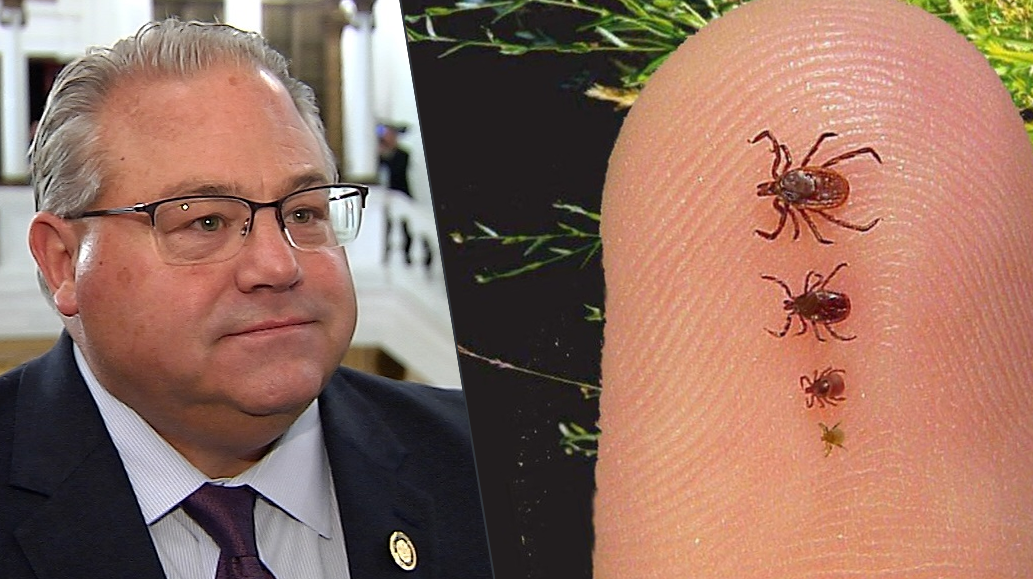
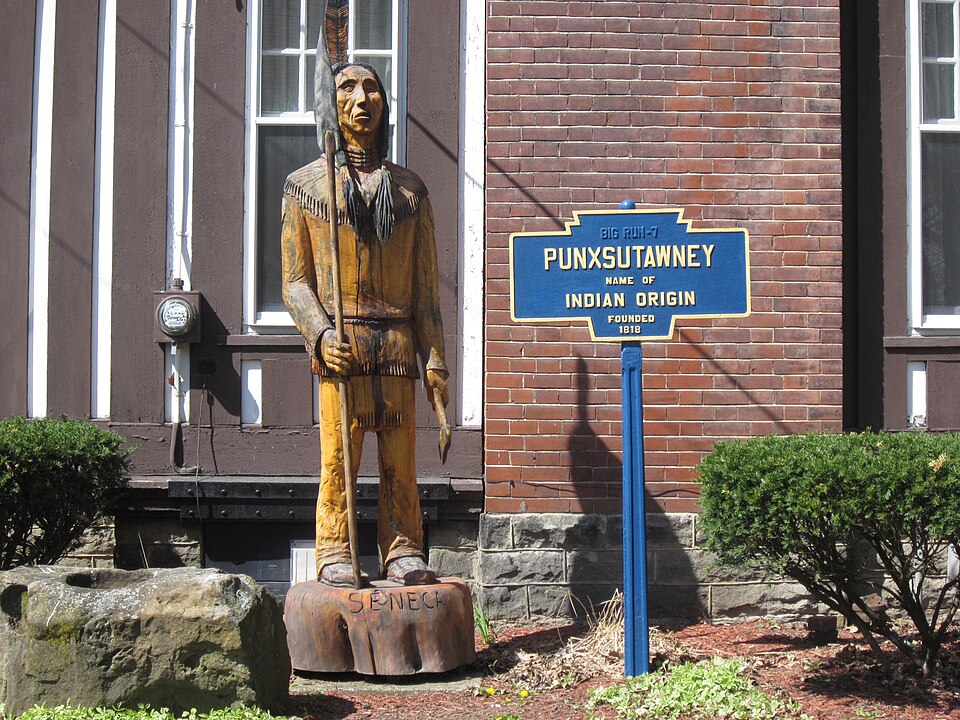
The name is widely reported to derive from the Lenape (Unami) language and is most commonly translated as “town of the sandflies.” Some sources render the meaning as “town of the mosquitoes,” reflecting the biting insects that once dominated the swampy valley.
Linguists generally trace the word to a Lenape root referring to biting insects, combined with a term meaning “town” or “place.” Over time, various spellings and pronunciations evolved into the modern form: Punxsutawney.
While “town of the sandflies” is the most frequently cited translation, historians note that alternate interpretations have also been recorded. One lesser-known theory suggests the word may relate to a Lenape term meaning “poison vine.” However, the insect-based translation remains the dominant and most widely accepted explanation.
The Sand Fly Swarms Of Early Settlement
Early accounts of the region frequently mention relentless swarms of biting insects — often described as sand flies, gnats, or “punkies.” These insects were said to plague livestock, irritate settlers, and make daily life miserable in the marshy lowlands surrounding what is now the borough.
In the 1700s and early 1800s, portions of the area were swampy and poorly drained, conditions ideal for insect breeding. Historical summaries describe the swarms as so persistent that they became one of the defining features of the valley’s identity.
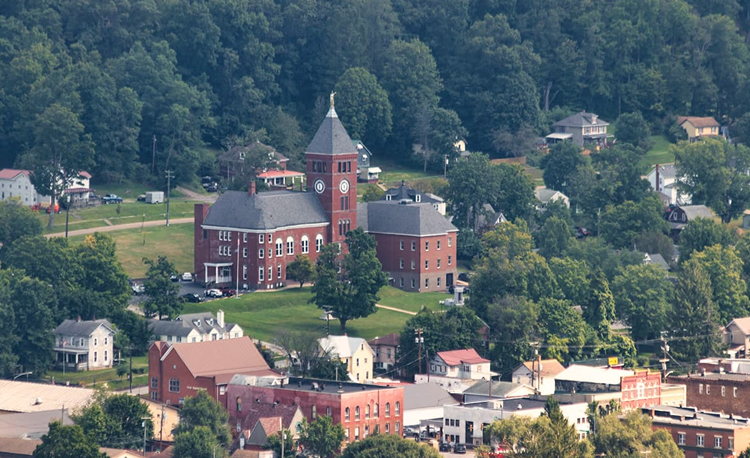
As settlement expanded and industries such as lumbering and coal mining developed, land clearing and drainage altered the landscape. Over time, development reduced swamp conditions and the insect populations that had once dominated local life. By the mid- to late-19th century, Punxsutawney was growing as an established borough rather than a mosquito-ridden frontier outpost.
The Legend Of The Sorcerer
Alongside documented history, Punxsutawney also carries a vivid piece of local folklore.
One long-told legend describes an Indigenous sorcerer or shaman who terrorized travelers in the valley. According to the tale, he was eventually killed and his body burned. As the ashes rose into the wind, they transformed into biting insects that continued to plague the land — an explanation for the swarms and, ultimately, the town’s name.
Historians treat this story as folklore rather than verifiable history, but it remains part of the region’s cultural storytelling tradition. Over generations, the legend became woven into the broader narrative explaining how Punxsutawney got its unusual and memorable name.
From Swampy Valley To “Weather Capital”
Today, Punxsutawney is best known as the home of Punxsutawney Phil and the annual Groundhog Day celebration that draws national and international attention. The borough is often branded as the “Weather Capital of the World.”
Yet beneath the modern fame lies a name that harkens back to a very different era — one shaped by environment, insects, and the language of the Lenape people who first named the region.
Punxsutawney quite literally means, in its most widely accepted form:
“Town of the Sandflies.”
It may not be as glamorous as a weather-predicting groundhog, but it is a reminder that the town’s story began long before February 2nd ever put it on the map.