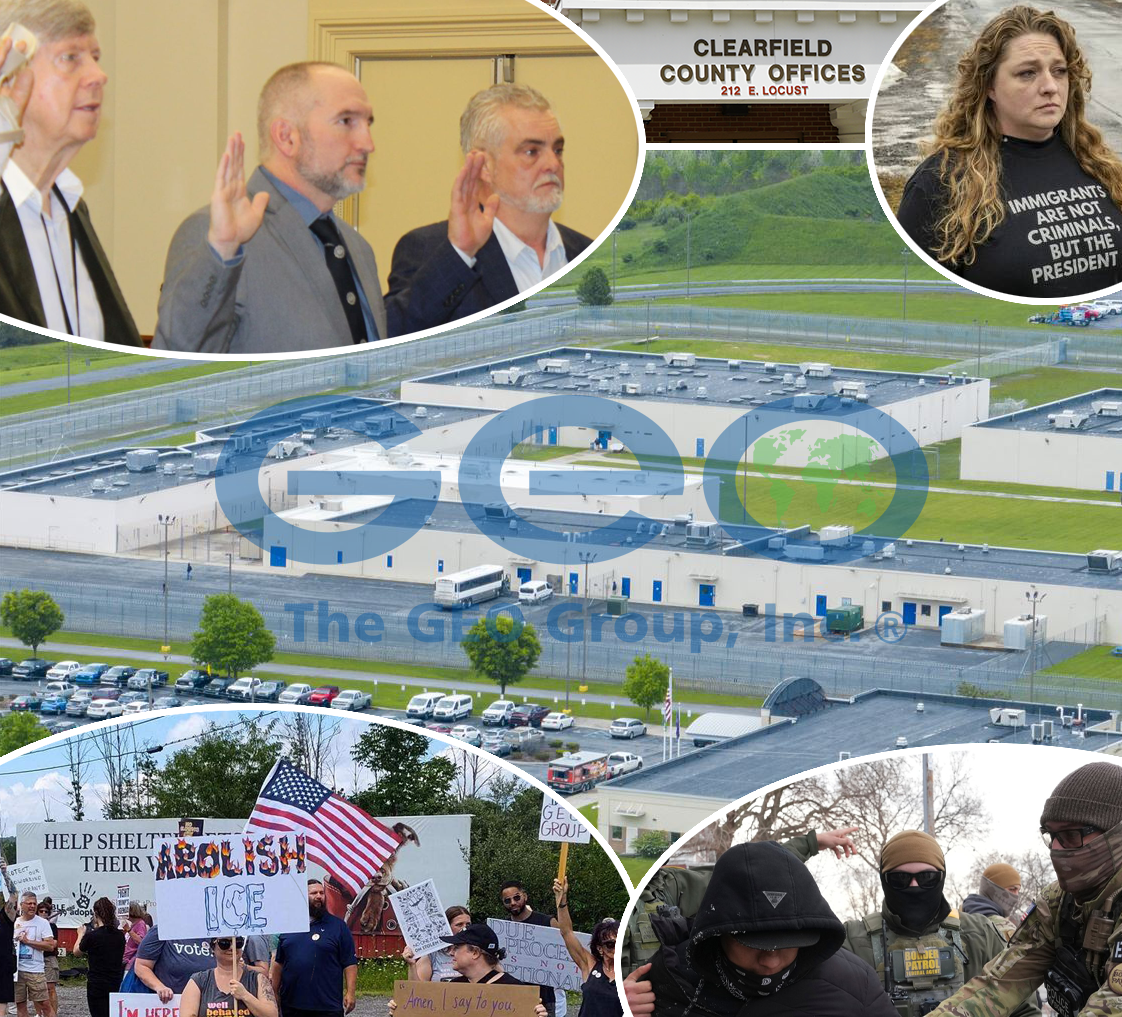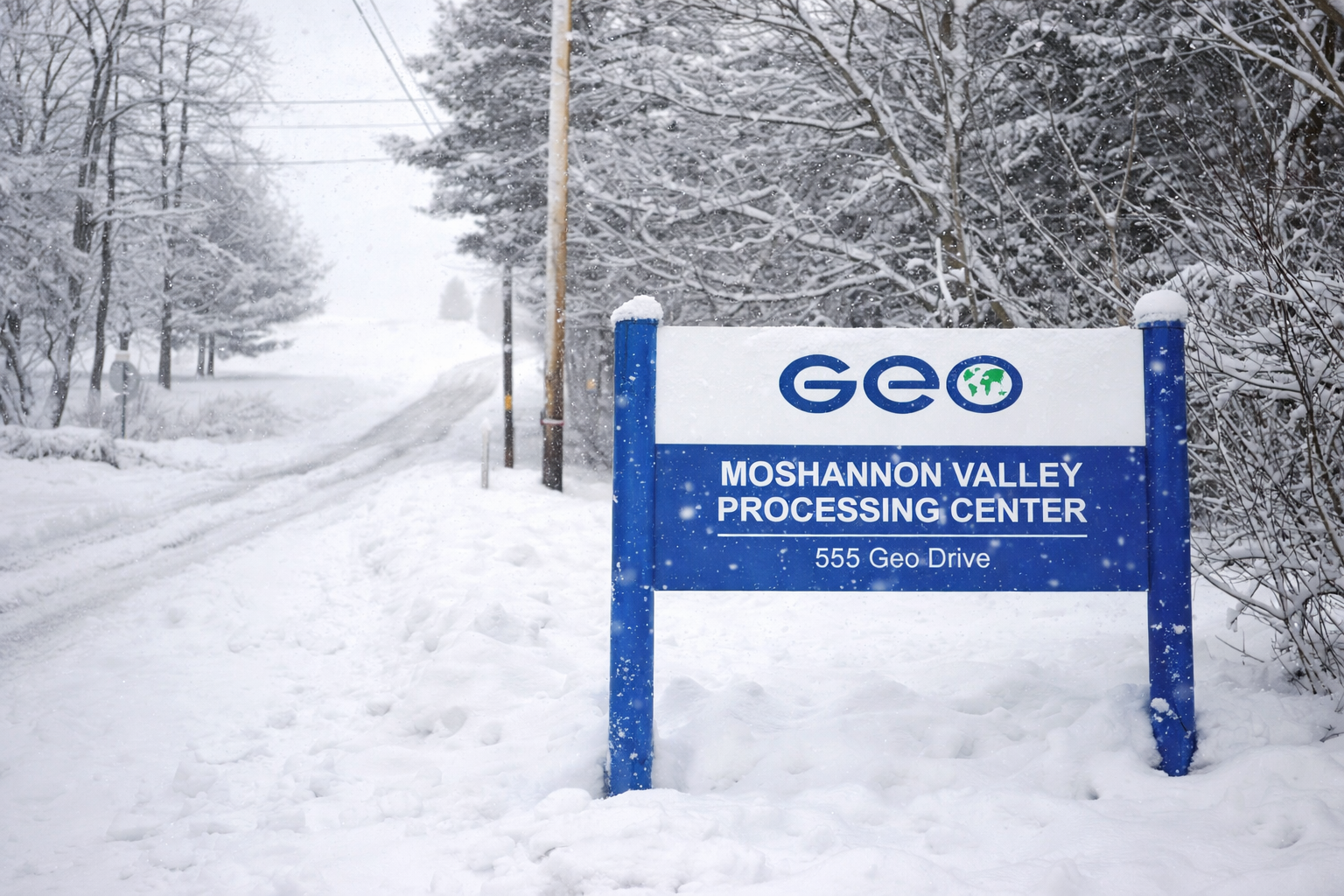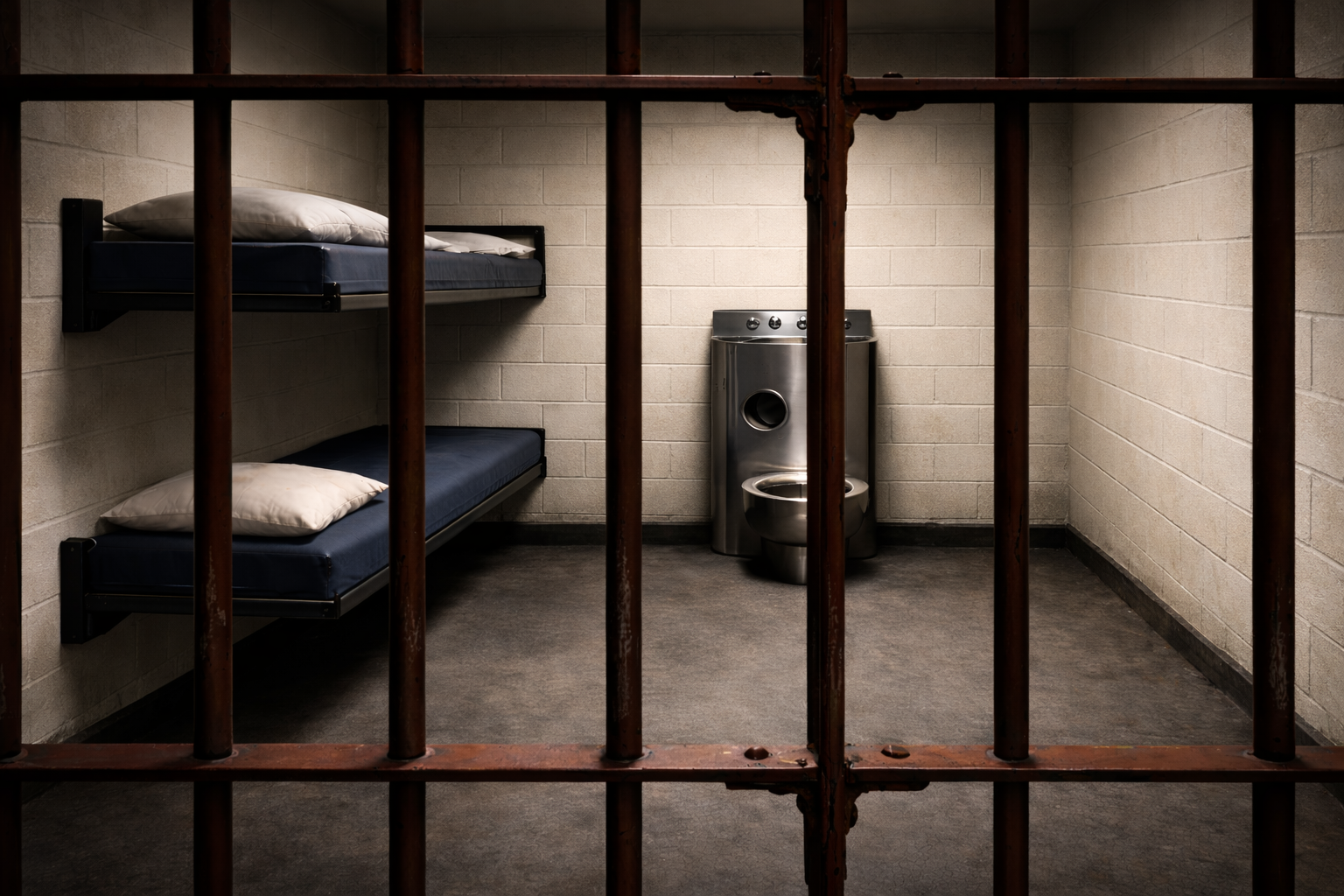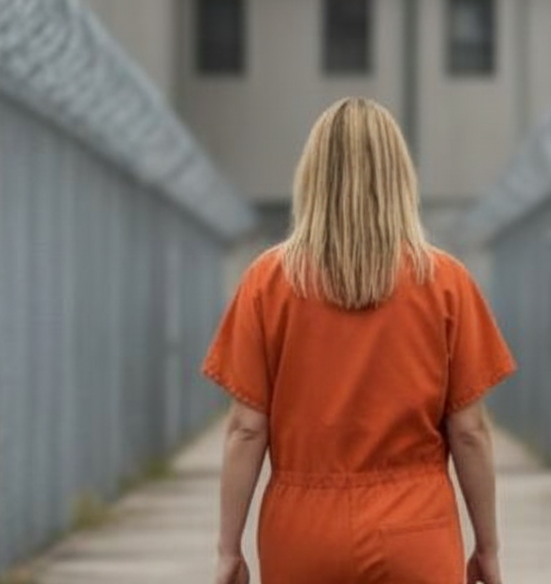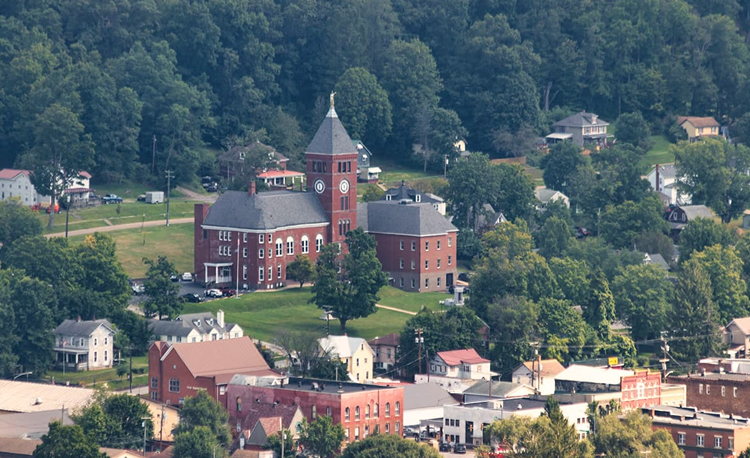





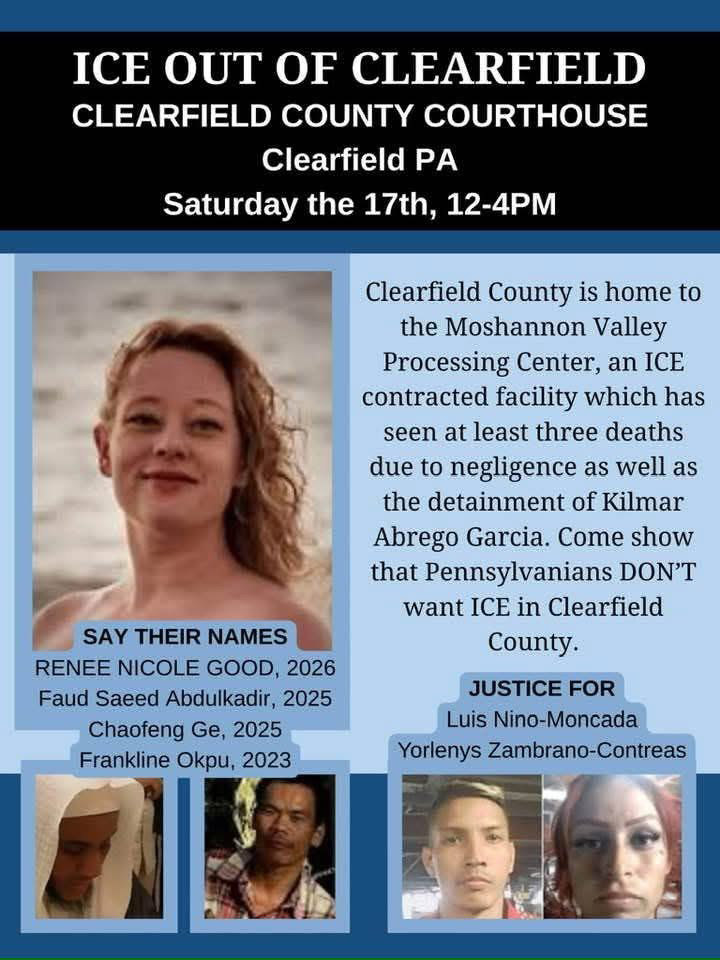
PHILIPSBURG: Activists from across central Pennsylvania are expected to gather Saturday at the Clearfield County Courthouse for an “ICE Out of Clearfield” protest aimed at the Moshannon Valley Processing Center, a large immigration detention facility located near Philipsburg and operated by GEO Group under contract with U.S. Immigration and Customs Enforcement.
The protest is scheduled to take place from 12:PM to 4:PM and comes amid growing national scrutiny of immigration detention practices, particularly those involving private prison operators. In recent years, ICE detention facilities across the country have faced lawsuits, federal investigations, and public criticism following deaths in custody, allegations of inadequate medical care, prolonged detention, and questions surrounding due process. Since opening in late 2021, the Moshannon Valley facility has increasingly become a focal point of that broader debate in Pennsylvania.
Situated in Decatur Township, the center is the largest ICE detention facility in the northeastern United States, with capacity for nearly 1,900 detainees. It is operated by GEO Group, a Florida-based, publicly traded corporation that derives a significant portion of its revenue from federal incarceration and immigration contracts. According to company filings, GEO reported more than $2.4 billion in revenue in 2024, with ICE and other federal agencies accounting for the majority of its government-backed income.
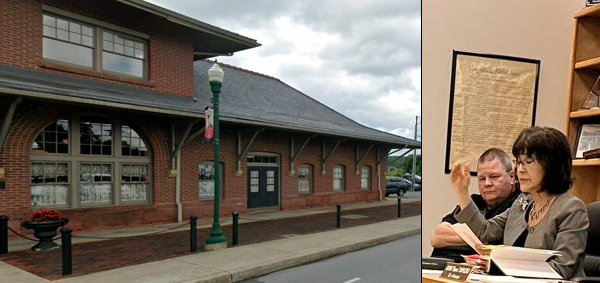
Clearfield County itself does not operate the facility but serves as a contractual intermediary between ICE and GEO. In exchange, the county receives an administrative fee that investigative outlets have reported totals approximately $200,000 per year — about $1 million over five years — deposited into the county’s general fund. County officials have described the arrangement as lawful and limited in scope, emphasizing that the county does not control detention operations, staffing decisions, or enforcement actions.
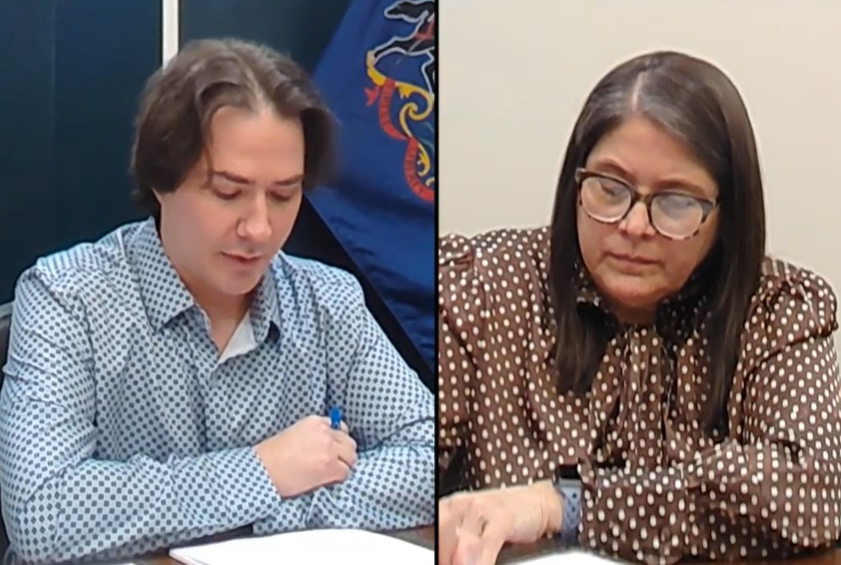
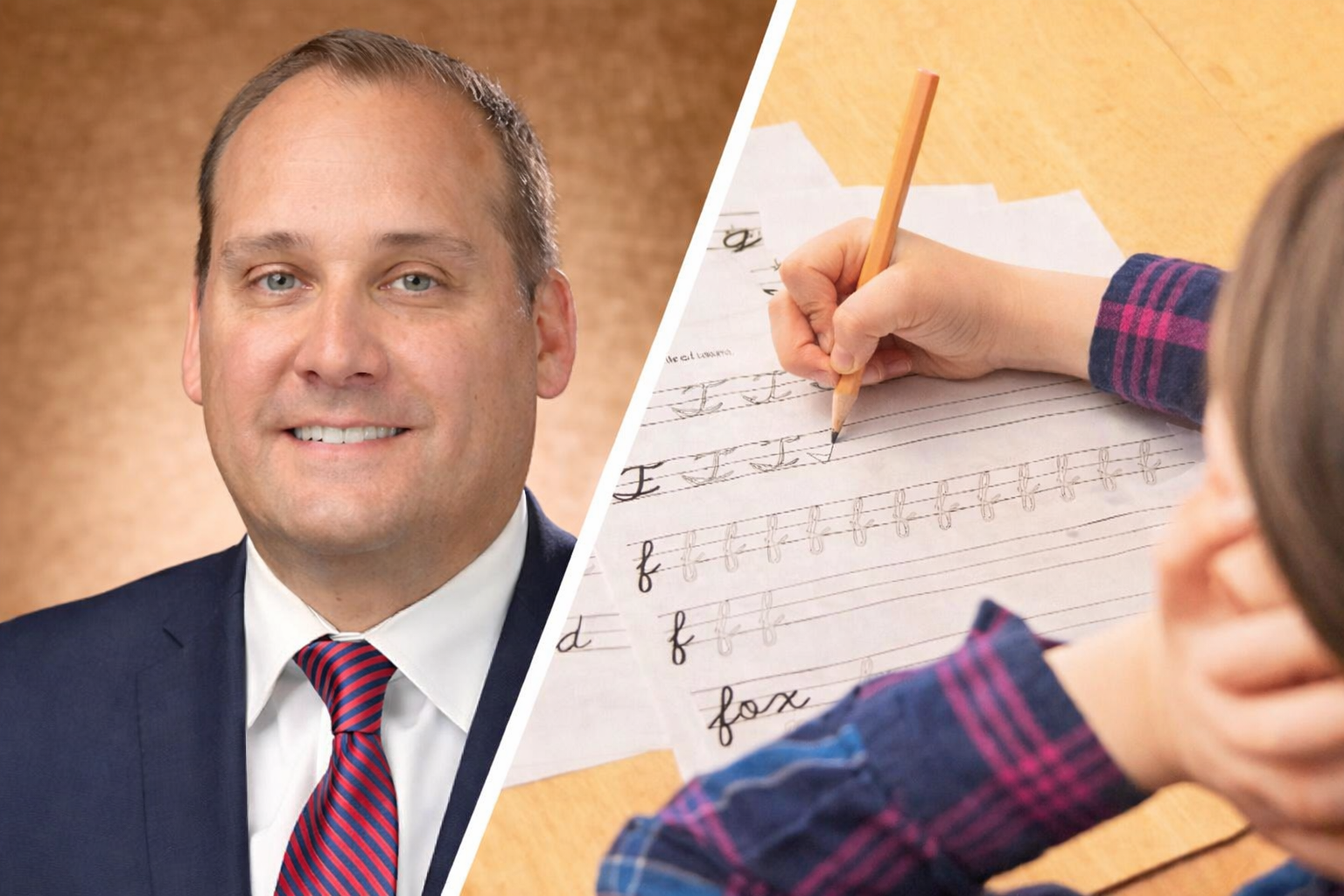
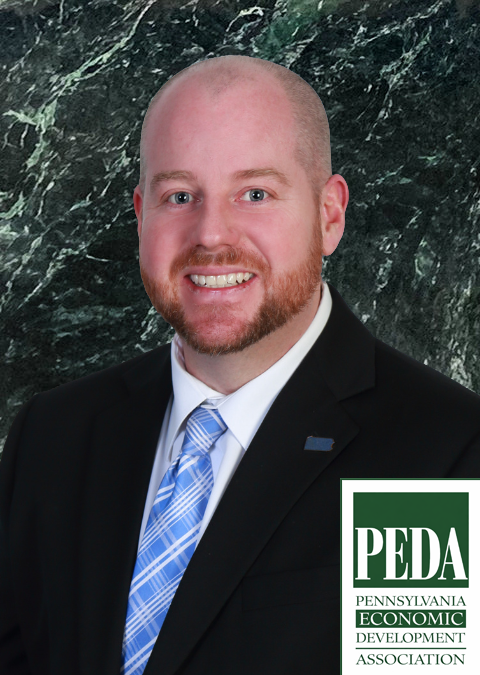
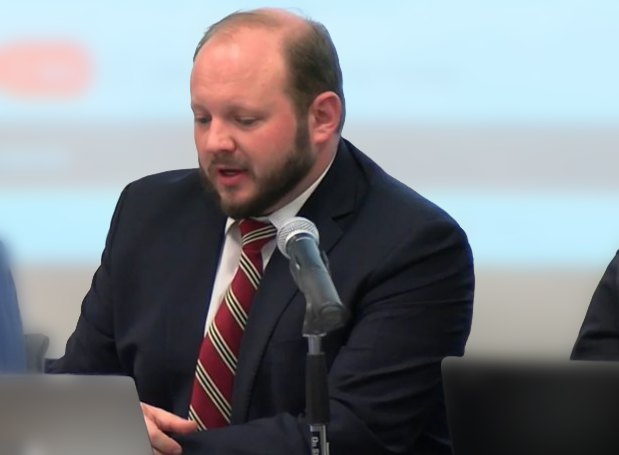
Clearfield County Commissioner Dave Glass has publicly defended that position, stating that the county’s role is often misunderstood. Glass has argued that the agreement does not amount to local endorsement of federal enforcement tactics but rather reflects a legal contractual framework established years earlier. He has also emphasized that immigration enforcement itself is a federal responsibility and that counties cannot selectively opt out of federal law.
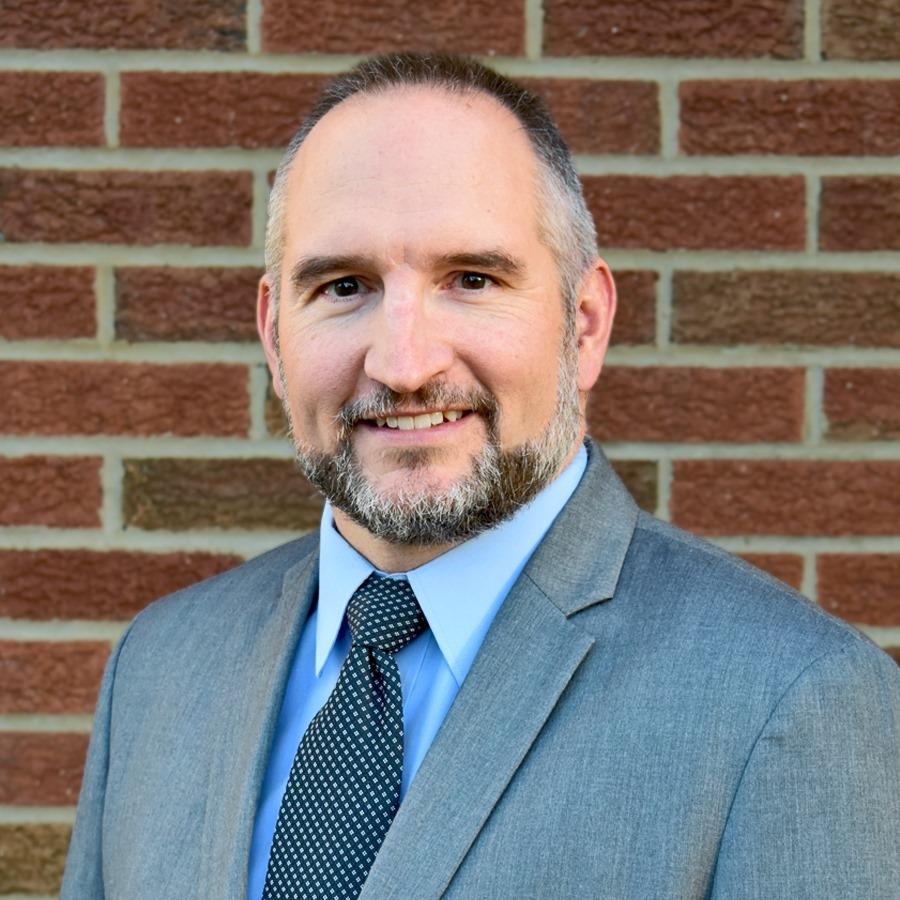
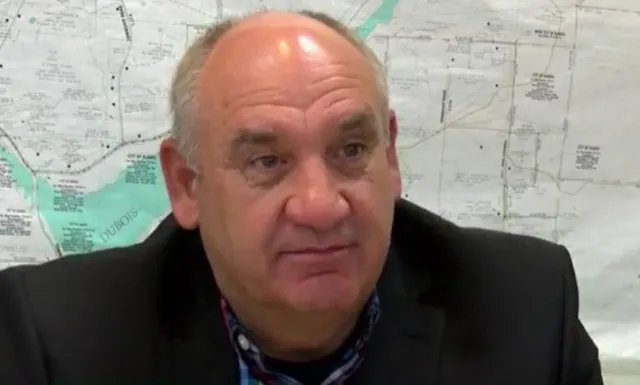
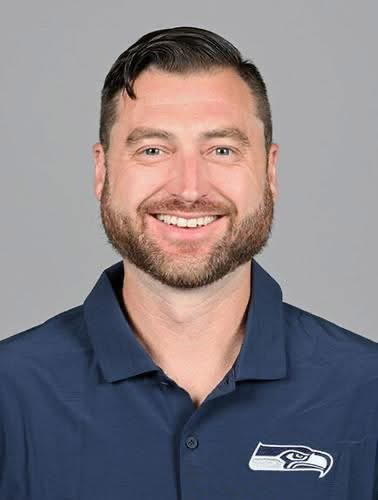
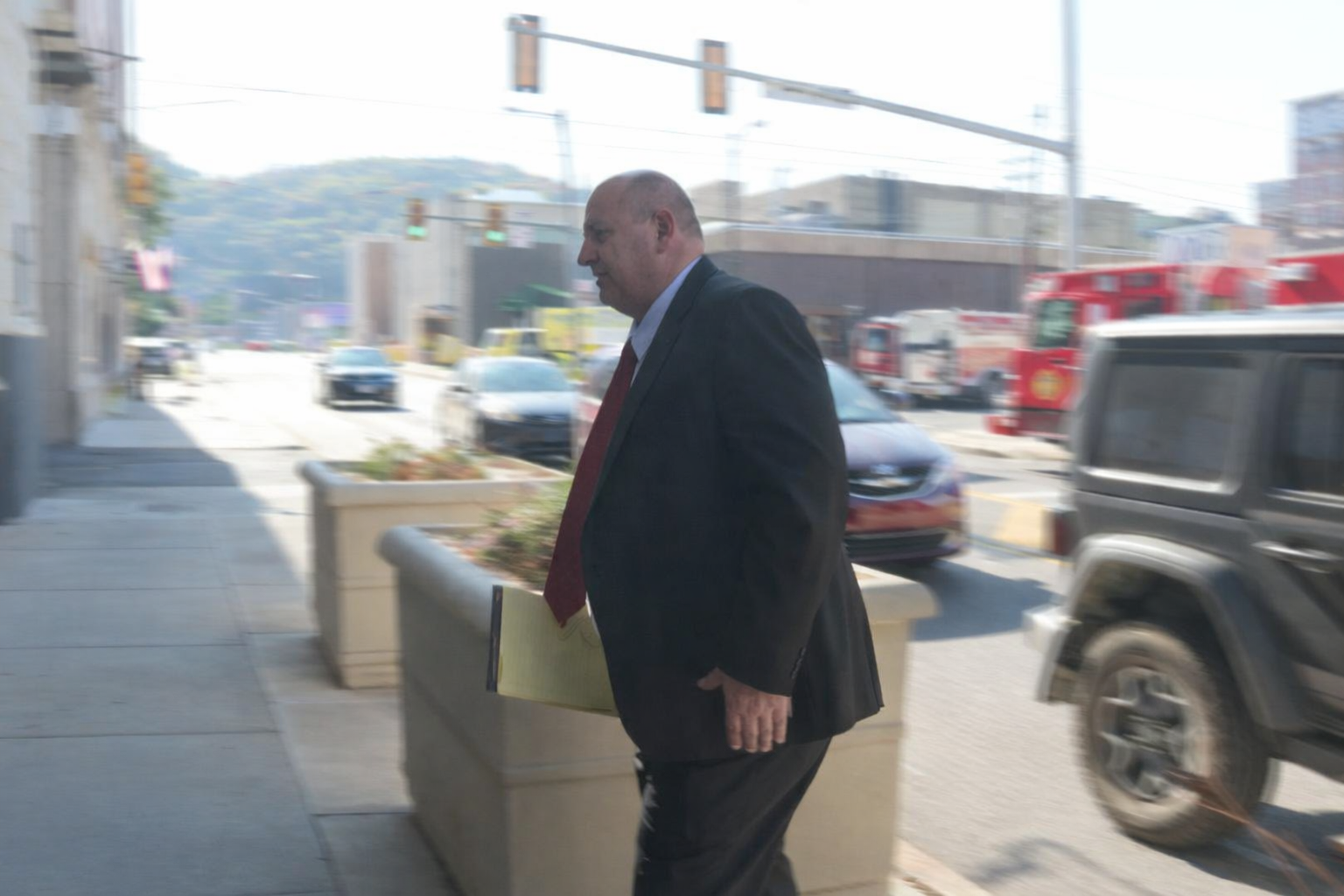
Clearfield County Commissioner Dave Glass
At the same time, Glass has acknowledged public concern over ICE practices nationally, saying enforcement should be carried out lawfully and constitutionally. In comments shared online, Glass noted that it should not be a choice between “open borders” and unchecked enforcement, arguing instead that immigration laws can be enforced while still respecting due process, transparency, and constitutional limits. While Commissioner Glass has spoken no ill of the GEO Group, it has been made known that if and when contract renwal is next on the agenda that he does not intend to vote in favor of renewal. His words, "I do not intend to vote for renewal of the contract because I do not wish to do business with ICE given their recent conduct." This was months back and, therefore, not in reference to the death of Renee Good, but one might infer it would only strengthen his previous opinion on record.
That constitutional framing mirrors arguments raised nationally by former congressman Justin Amash, whose recent public letter calling for the abolition of ICE has circulated widely among protest organizers. In that statement, Amash contends that recent ICE actions are not merely immigration enforcement but represent a dangerous erosion of constitutional safeguards. He argues that the use of masked agents, alleged warrantless actions, and diminished transparency undermine public trust and sidestep the very limits designed to protect citizens and non-citizens alike.
Amash has written that immigration enforcement can be conducted lawfully and accountably, but that doing so requires strict adherence to constitutional principles such as due process, warrants, and transparency. Without those safeguards, he argues, enforcement becomes an instrument of abuse rather than law, a position that organizers say directly applies to the detention-center model used at facilities like Moshannon Valley.
The Moshannon Valley Processing Center has also been promoted locally as a source of employment in a region long affected by industrial decline. County and state officials have estimated that roughly 350 to 400 jobs were created or restored with the facility’s opening, with staffing levels tied to detainee occupancy. Supporters argue those jobs provide stable wages and benefits in an area with limited large-scale employers.
Critics, however, question whether those economic benefits outweigh what they describe as ethical, legal, and reputational costs. Advocacy organizations point to multiple deaths of detainees held at Moshannon Valley, including Chaofeng Ge, who died in custody in 2025. They argue that those deaths reflect systemic issues seen across the ICE detention system, including delays in medical care, understaffing, and prolonged confinement without meaningful access to legal representation.
GEO Group has consistently stated that it meets or exceeds federal detention standards and provides appropriate medical and custodial care, citing regular inspections and contractual compliance. Critics counter that GEO’s national record includes repeated lawsuits, settlements, and investigative reporting related to detainee treatment and healthcare access. As a for-profit corporation, GEO does not file IRS Form 990s, though its charitable affiliate, the GEO Group Foundation, does file public tax documents reflecting multimillion-dollar annual activity that represents a small fraction of the company’s broader operations.
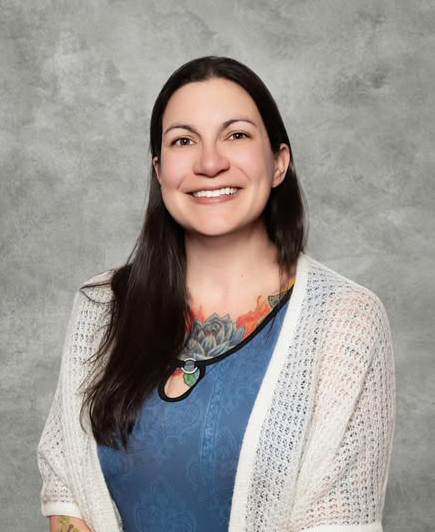
Saturday’s protest is being organized by a coalition of immigration and human-rights advocates who argue that detention itself — particularly when outsourced to private companies — is incompatible with American democratic values. One of the event’s leaders, Bobbi Erickson, founder of Indivisible: Mayday, has framed the protest as a nonpartisan call for accountability and constitutional limits on government power.
“The time to take a stand is now,” Erickson said in a statement circulated ahead of the event. “I don’t care what your political party is. We’re all Americans — raised on liberty and justice for all. Masked men kidnapping people in our streets is not America.”
Organizers say the demonstration is intended not only to oppose the Moshannon Valley facility but also to force a broader public conversation in Clearfield County about transparency, economic tradeoffs, and the long-term implications of hosting one of the nation’s largest immigration detention centers. As immigration enforcement remains a national flashpoint and private detention contracts continue to draw scrutiny, the Moshannon Valley Processing Center stands at the intersection of economic development claims, constitutional concerns, and human-rights questions — a balance that residents, officials, and advocates in Clearfield County continue to debate.
The protest will take place from 12:PM to 4:PM Saturday at the Clearfield County Courthouse.
Discuss this article on our group.